Sir Simon's funeral and burial
The Canterville GhostSir Simon's funeral and burial mark the end of the ghost's haunting and the beginning of his lasting place in the Canterville family’s memory. Four days after Virginia led her family to the chained skeleton in the secret room and prayed beside it, a formal funeral carried his remains from Canterville Chase to the churchyard. Virginia’s almond-blossom cross joined the ceremony to the ghost’s vision of death as peace, while the family’s presence turned a concealed history into a public act of mourning.
From hidden death to funeral
The funeral follows the disclosure of what had happened to Sir Simon. Virginia had told her family that the Ghost was dead and led them through a narrow passage behind the wainscoting to a low, vaulted room. There they found a skeleton chained to an iron ring in the wall, with an old trencher and ewer just beyond its reach. Virginia knelt beside it and prayed silently as the others witnessed the tragedy revealed by the secret chamber. Four days later, the family’s night-time funeral acknowledged the death that had remained concealed for centuries.
The procession and burial
The funeral began at about eleven at night. Eight black horses drew the hearse, each carrying a tuft of ostrich plumes; a rich purple pall embroidered with the Canterville coat of arms covered the leaden coffin. Servants walked beside the hearse and coaches with lighted torches, making the procession a formal family observance. Lord Canterville came specially from Wales as chief mourner and rode in the first carriage with Virginia. The United States Minister and his wife followed, then Washington and the three boys; Mrs. Umney rode in the last carriage. Having lived with the haunting for more than fifty years, she was considered entitled to see its end.
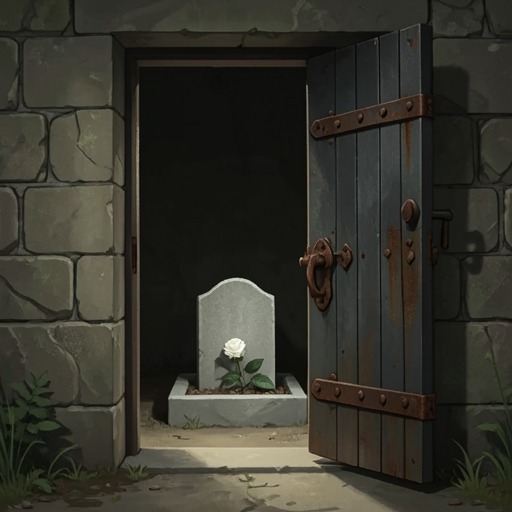
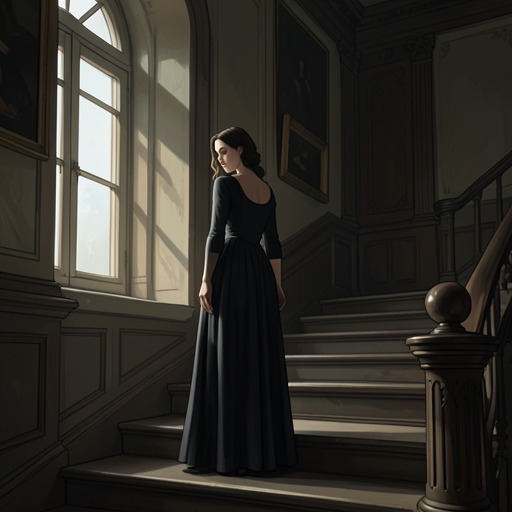
A deep grave had been prepared beneath the old yew at a corner of the Canterville churchyard. The Reverend Augustus Dampier read the service. In keeping with an old Canterville custom, the servants extinguished their torches when the ceremony ended. As the coffin was lowered, Virginia stepped forward and placed upon it a large cross made of white and pink almond blossoms. The moon emerged from behind a cloud and illuminated the churchyard; a nightingale sang from a distant copse. Virginia remembered the ghost’s account of the Garden of Death, was moved to tears, and said little on the drive home.
Virginia’s act and the ghost’s release
The blossoms connect the burial to the sign of renewal witnessed at the secret room: one of the twins had seen the old almond tree blossom in the moonlight. At the grave, Virginia shaped its flowers into a cross and laid it directly on the coffin. The gesture gives the funeral a personal focus within its formal rites. Her silent prayer beside the skeleton had accompanied the revelation of Sir Simon’s fate; now, at his burial, her floral offering accompanies his passage into rest.
That meaning is prepared by the ghost’s own account of death. He had described it to Virginia as release from time and life, and said that she could help him because love was stronger than death. The funeral does not explain the details of what passed between them, but its sequence makes her role visible: she found the hidden remains, prayed beside them, and later honored the coffin with the blossoms associated with the newly flowering tree.
Family memory and aftermath
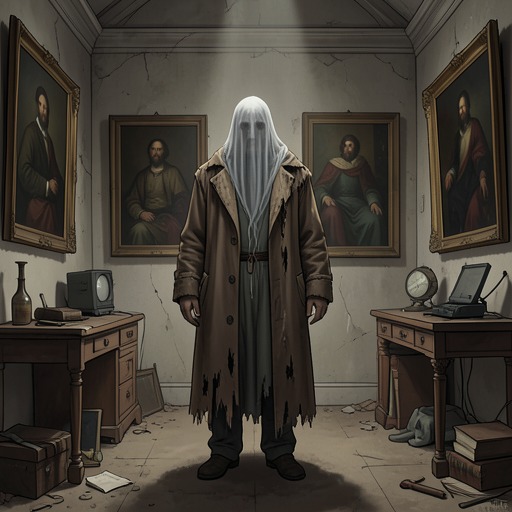
The ceremony also changes the ghost’s place in the family story. Before the Otis family bought Canterville Chase, the haunting had been known through warnings, reports of appearances, and fear among the household’s servants. The account of Lady Eleanore’s murder by her husband, Sir Simon, and his subsequent disappearance had left his body undiscovered and his spirit associated with the Chase. The burial replaces that unsettled presence with a grave in the family churchyard and a funeral attended by both the Cantervilles and the Otises.
The funeral is followed by a further act of recognition: Lord Canterville refuses to reclaim the jewels Sir Simon gave Virginia, acknowledging the service she rendered his ancestor. Later, after Virginia marries the Duke of Cheshire, she returns with her husband to the churchyard and lays roses on Sir Simon’s grave. The burial therefore closes the immediate haunting without erasing the relationship formed through Virginia’s compassion; the grave remains a place of remembrance within her adult life.